
The Real Replacement for Relationship Coaches Isn’t a Person at All
Written with AI assistance under our editorial guidelines
People are abandoning traditional relationship coaches due to high costs, rigid scheduling, and generic advice that often feels judgmental. AI-powered apps and peer-driven alternatives are emerging as replacements, offering privacy, flexibility, and on-demand access that better align with modern relationship needs and desires.
In 2025, the search for a replacement for relationship coaches is less a niche rebellion and more a full-blown exodus. This isn’t just about trading awkward, overpriced sessions for a chatbot or app—it’s an underground movement where people are rewriting the rules of love, trust, and self-discovery. Frustrated with the old playbook, a new generation dares to ask: what if the best relationship advice isn’t found in a plush office or a bestselling book, but in radical, sometimes provocative alternatives? From AI-powered empathy engines like amante.ai to peer-run forums, DIY coaching apps, and community-driven healing, the world of digital love advice is exploding in complexity and promise. This exposé slices through the hype, revealing seven disruptors that challenge everything you thought you knew about finding, keeping, or fixing love.
If you crave advice that’s private, on-demand, and shockingly effective, you’re not alone. Here, we investigate the cold truths, strange triumphs, and wild new options—each backed by research and real-world stories. Get ready to ditch tradition, embrace discomfort, and discover the raw, unfiltered reality of modern relationship guidance.
Why the search for a replacement for relationship coaches is exploding
Disillusionment with traditional coaching
The image of the relationship coach—a well-meaning expert in a softly lit room—once symbolized hope for the lost and the lovesick. Yet, skepticism is rising at unprecedented rates. According to recent data from the Institute of Coaching (2024), large numbers of clients cite dissatisfaction with the status quo: high costs, rigid schedules, and advice that often feels generic or, worse, judgmental. Many clients report they leave sessions with more frustration than clarity. The sentiment is echoed by Taylor, a former coaching client:
"I felt more judged than helped." — Taylor, former relationship coaching client

What’s emerging is a sense that traditional coaching is out of step with modern needs—overpriced, inaccessible, and sometimes unable to navigate the messy realities of contemporary relationships. The pandemic only accelerated this disillusionment, laying bare the gaps between what coaches provide and what people now demand: privacy, flexibility, and genuine understanding.
The pain points no one talks about
Beyond the obvious complaints—cost, inconvenience, and lack of results—lie deeper frustrations. Many clients quietly mention fears about privacy breaches, biases in advice, and the emotional discomfort of sharing intimate details with a stranger. There’s also a hidden toll: the pressure to perform “transformation” on command, or to fit into a one-size-fits-all model of love and healing.
- Enhanced privacy: Digital replacements offer discretion that traditional coaches can’t match, especially for those navigating stigma or sensitive issues.
- Reduced bias: Algorithmic and peer-based solutions may sidestep some of the unconscious biases human coaches bring.
- Emotional safety: Asynchronous platforms let users process advice on their own terms, reducing emotional exposure.
- Flexible support: 24/7 accessibility empowers users to seek advice when it truly matters—not just during scheduled sessions.
- Broader perspectives: Community-driven platforms and AI can provide a diversity of opinions, challenging echo chambers.
The pandemic’s seismic impact on personal life also fueled the shift to digital. According to Simply.Coach’s 2024 report, demand for online and AI-driven relationship guidance surged as lockdowns made in-person sessions impractical or impossible. The appetite for on-demand, stigma-free, and highly adaptable support is only intensifying.
What users really want in 2025
Modern seekers crave support that is fast, private, and deeply tailored. They want to sidestep the stigma of “needing help,” and they refuse to pay thousands for advice that feels outdated or irrelevant. Digital alternatives—AI relationship assistants, peer-to-peer communities, and self-guided apps—deliver on these desires.
| Feature | Traditional Coaching | Digital Replacements |
|---|---|---|
| Cost | $2,000–$10,000 per package | Free–$100/month (varied) |
| Accessibility | Appointment required | 24/7 instant access |
| Anonymity | Low | High |
| Personalization | Often limited | High (AI/algorithm-based) |
| Flexibility | Low | Very high |
| Privacy | Variable | Enhanced (pseudonymous/AI) |
Table 1: Comparing traditional relationship coaching to digital replacements
Source: Original analysis based on Institute of Coaching, 2024, Simply.Coach, 2024
This landscape gives rise to the search for the ultimate replacement for relationship coaches—a blend of technological savvy, radical openness, and relentless demand for truth.
The rise of AI relationship coaching assistants (and why they work)
How AI like amante.ai is reshaping advice
The AI revolution isn’t just hitting the workplace or your voice assistant—it’s invading the most intimate corners of your heart. Amante.ai, among others, uses large language models (LLMs) and natural language processing (NLP) to digest users' stories, interpret emotional cues, and craft specific strategies for romance, communication, and self-growth. These aren't cold, automated scripts—they're tailored, context-rich responses that rival the best human coaches.
Unlike traditional systems, AI tools never judge, show up late, or push their own agenda. Instead, they offer unbiased, data-driven guidance at any hour. The sheer convenience—paired with personalization—means that users can finally ask taboo questions, process emotions privately, and receive feedback instantly.

As Jordan, an early adopter, describes:
"AI doesn’t judge. It just listens and helps." — Jordan, amante.ai user
The result? Empowerment. Users gain clarity and confidence without the risk of embarrassment, social stigma, or logistical headaches.
The science behind empathic algorithms
So, how do these digital oracles actually “get” you? The secret lies in advanced LLMs and NLP engines that parse tone, sentiment, and context, tailoring advice to the individual. Sentiment analysis identifies emotional highs and lows; context modeling ensures responses are nuanced and relevant. These technologies, combined with vast datasets from psychology and relationship research, produce guidance that is both personalized and deeply empathetic.
Key AI Concepts:
A neural network trained on massive text datasets, capable of generating human-like responses and nuanced advice.
The field of AI focused on enabling machines to understand and interpret human language.
Algorithms that detect emotions and attitudes in text, allowing AI to respond to users’ emotional states.
Techniques that help AI understand the user’s situation, history, and goals to tailor advice more accurately.
Real-world outcomes prove the potential: according to a 2024 study cited by Life Coach Magazine, users of AI-powered relationship advisors like Relationship Renegade and amante.ai report improved communication skills, faster breakthroughs in conflict resolution, and greater self-acceptance compared to those using only traditional coaching.
Myths and realities of AI relationship coaching
For all its promise, AI relationship coaching is dogged by myths—many fueled by misunderstanding rather than fact.
- Myth: AI is cold and robotic.
- Reality: Modern LLMs are trained to recognize and respond to emotional nuance, often picking up cues that humans miss.
- Myth: AI only gives generic, cookie-cutter advice.
- Reality: AI systems like amante.ai analyze patterns and context, delivering hyper-specific guidance for each user.
- Myth: Privacy is at risk with digital platforms.
- Reality: Top-tier AI assistants employ encrypted data pipelines and rigorous privacy protocols to protect user confidentiality.
- Myth: AI can replace deep emotional healing.
- Reality: While AI excels at guidance and skill-building, complex trauma or abuse cases still require specialized human support.
Ethical concerns are real but manageable. The best AI platforms are transparent about data use, allow users to control what’s shared, and avoid making clinical or medical judgments. Privacy remains a top priority for users wary of digital footprints—platforms like amante.ai address this head-on, allowing anonymous access and strict confidentiality.
Beyond the algorithm: other digital and community replacements
Anonymous forums and peer support platforms
Not everyone wants algorithmic advice. For many, anonymous online forums and peer-led groups offer a different kind of relief—a community where stigma melts away and advice flows freely. Spaces like Reddit’s r/relationships or newer, carefully moderated platforms have exploded in popularity.

The wisdom of the crowd is compelling: users can vent, crowdsource solutions, and feel less alone. But these communities are double-edged swords. On one hand, they democratize support, offering real-time input from diverse perspectives. On the other, they sometimes lack accountability and expertise, leading to inconsistent or even harmful advice.
- Watch for groupthink: Popular opinions may drown out less conventional (but potentially better) solutions.
- Beware of armchair experts: Credentials matter—don’t accept every answer at face value.
- Look for moderation: Well-run forums actively moderate for safety and accuracy.
- Notice anonymity limits: While freeing, anonymity can also enable toxic behavior—choose communities with strong guidelines.
Self-guided apps and interactive tools
For self-starters, mobile apps like the REEL Attraction System or Radical Love courses deliver step-by-step programs, interactive exercises, and behavioral tracking. These tools blend gamification with cognitive-behavioral science, encouraging users to build self-awareness, practice new skills, and measure progress.
Unlike AI assistants, which respond dynamically, these apps provide structured frameworks—ideal for those who thrive with clear milestones and feedback loops. Gamification features (like streaks or rewards) boost engagement, while analytics help users track evolving patterns in communication, conflict, or attraction.
| Tool/Platform | Personalized? | Real-Time? | Expertise Level | Community? | Anonymity? |
|---|---|---|---|---|---|
| AI assistant | Yes | Yes | High | Optional | High |
| Self-guided app | Medium | No | Moderate | Optional | High |
| Online forum | Low | Varies | Variable | Strong | High |
| Traditional coach | High | No | High | Low | Low |
Table 2: Comparing key features of relationship guidance platforms
Source: Original analysis based on Life Coach Magazine, 2024, LA Weekly, 2023
Hybrid models: blending human and digital support
The most radical replacements often blur the lines between digital and human. Hybrid models—think peer-led video sessions co-hosted by an AI, or digital platforms that connect users to coaches and bots simultaneously—are gaining traction for those craving both empathy and efficiency.
These services provide the best of both worlds: the comfort of real human empathy, with the scalability and objectivity of digital support. Peer-led video calls, for instance, allow for genuine connection and accountability, while AI co-hosts track conversation dynamics, gently nudging participants toward healthier interaction patterns.

This model is particularly powerful for marginalized groups or those who feel alienated by traditional coaching. The blend of anonymity, shared experience, and professional oversight meets users where they are, without pretense or posturing.
The hidden history of relationship advice and coaching
From agony aunts to algorithmic love
Relationship advice has always been a mirror of its era. In the early 20th century, “agony aunts” in newspapers dispensed wisdom to the masses; by the late 1990s, the rise of internet chatrooms and advice columns began to erode the authority of print experts. Now, digital bots and AI coaches have taken the reins.
- 1920s–1960s: Newspaper advice columns (“agony aunts”) dominate, offering moral guidance according to prevailing cultural norms.
- 1970s–1990s: The rise of self-help books, talk shows, and telephone hotlines democratizes advice but often keeps it generic.
- 2000s: Early online forums and chatrooms open relationship advice to the crowd—sometimes with chaotic, unfiltered results.
- 2010s: The professional coach emerges, blending therapy and consulting for high-paying clients.
- 2020s: AI-powered platforms and peer communities disrupt the scene, pushing for personalization, privacy, and radical transparency.

The through-line? A hunger for connection, validation, and actionable advice—met by ever-evolving platforms.
Cultural biases and the coaching industry
No form of advice is truly neutral. Coaching, in particular, carries the baggage of its cultural moment: ideas about gender, power, intimacy, and success are embedded in every session. The commodification of intimacy—charging high fees for what was once the domain of trusted friends or elders—raises uncomfortable questions about access and authenticity.
"Advice is never neutral—it carries cultural baggage." — Alex, relationship researcher
As market trends shift, so too does the industry’s underlying ethos. Radical alternatives, like programs emphasizing “100% responsibility” (RCI) or “radical forgiveness,” challenge both the profit motive and the prescriptive traditions of old-school advice.
Cost, access, and the democratization of relationship guidance
Breaking down the economics
The sticker shock of traditional relationship coaching is no secret: packages range from $2,000 to $10,000, pricing out all but the most privileged. Digital replacements, by contrast, often cost a fraction—or nothing at all—while offering comparable (or superior) support. The difference isn’t just about dollars; it’s about dismantling the power dynamics that kept guidance behind velvet ropes.
| Platform Type | Cost (USD) | Access | Expertise | Anonymity |
|---|---|---|---|---|
| Traditional coaching | $2,000–$10,000+ | Scheduled | High | Low |
| AI assistant | Free–$50/month | Instant, 24/7 | High | High |
| App-based guidance | Free–$100/month | 24/7 | Moderate | High |
| Forum/community | Free | 24/7 | Mixed | High |
Table 3: Cost-benefit analysis of relationship guidance options
Source: Original analysis based on Simply.Coach, 2024, Luisa Zhou, 2024
As the coaching market grows, digital platforms are rapidly democratizing access—serving not just wealthy professionals but students, single parents, and anyone with a smartphone. Affordability, once a pipe dream, is now the new baseline.
Who’s left behind? The accessibility gap
Despite the promise, not everyone benefits equally. Traditional coaching models often ignored those with irregular work hours, marginalized identities, or limited financial resources. Digital tools hold out hope for bridging this gap—yet issues remain: internet access, digital literacy, and language barriers can still keep people on the margins.

Nevertheless, research from the Institute of Coaching (2024) points to shrinking disparities as more platforms embrace multilingual support, mobile-first design, and community translation efforts. The challenge? Ensuring that democratization doesn’t become digital exclusion.
How to choose your best replacement for a relationship coach
Step-by-step self-assessment
The revolution in relationship guidance is liberating—but also overwhelming. How do you pick your path through the chaos? Self-assessment is key. Start by clarifying your comfort with technology, your learning style, and your appetite for experimentation.
- Identify your core needs. Are you seeking communication skills, emotional healing, or just a fresh perspective?
- Gauge your tech comfort. Are you ready to use AI tools, or do you prefer human interaction—even if virtual?
- Consider privacy. How much anonymity do you require? Would you risk exposing personal details for personalized help?
- Test multiple approaches. Try AI, apps, and community forums to see which resonate.
- Evaluate outcomes honestly. Give each method time, but don’t hesitate to switch if you feel stuck or uncomfortable.
Beware of red flags: platforms that promise instant transformation, demand invasive data, or lack transparent privacy policies. The best replacements for relationship coaches empower you to set the pace and boundaries.
Matching approach to personality and goals
No two users are alike. Introverts often flourish with asynchronous, text-based AI advice, while extroverts crave group calls or real-time forums. Some need step-by-step frameworks; others, the messy wisdom of the crowd.
Mixing resources is not just acceptable—it’s often necessary. Combining an AI assistant like amante.ai with curated peer communities or self-guided courses can deliver a holistic, resilient approach.
- Creative writing prompts: Use AI to generate conversation starters for date nights.
- Conflict rehearsal: Simulate difficult conversations with an AI before facing your partner.
- Mood tracking: Let algorithms spot patterns in your emotional cycles, guiding reflection.
- Skill-building games: Gamified apps foster new habits in communication or empathy.
- Anonymous support: Seek out international forums for perspectives beyond your cultural bubble.
Risks, limitations, and the future of love advice
What digital replacements still can’t do
Despite dramatic progress, digital solutions can’t solve everything. The nuance of body language, deep-rooted trauma, and morally complex dilemmas still demand specialized, human intervention. AI may misinterpret subtext, or fail to grasp cultural nuance. When relationships face abuse, existential crisis, or legal tangles, turning to a qualified therapist, counselor, or legal professional remains essential.
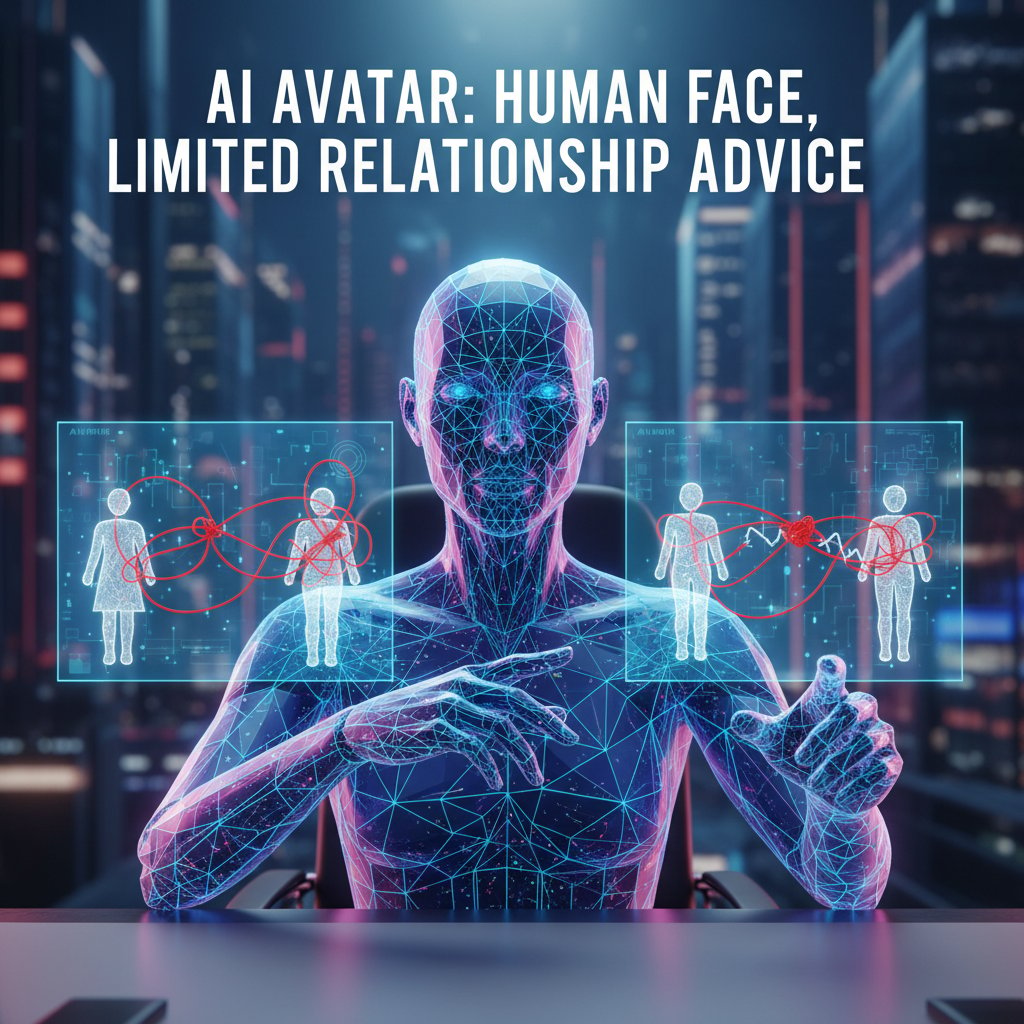
Knowing when to escalate is a skill: look for warning signs such as worsening distress, unresolvable conflict, or harmful advice. Digital solutions are tools—not replacements for all forms of care.
Navigating privacy, bias, and algorithmic pitfalls
Every digital system carries risk: data breaches, algorithmic bias, or misuse of personal stories. AI systems, for example, can inherit biases from training data, subtly reinforcing stereotypes. Forums risk toxic behavior when moderation fails.
Key Terms:
The right to control how your personal information is collected, used, and shared by digital platforms.
Systematic errors in AI outputs that reflect prejudices in the underlying data or programming.
Explicit permission granted by users for the collection and use of their data by online platforms.
Protecting your information means reading privacy policies, using pseudonyms, and opting out of unnecessary data sharing wherever possible. Choose platforms with transparent histories, active moderation, and robust security protocols.
What’s next? The coming wave of AI empathy
While we avoid speculation, current research is clear: AI empathy is already making waves—delivering real-time feedback, nuanced reading of emotional tone, and context-sensitive advice. Platforms like amante.ai are at the forefront, collecting user feedback to fine-tune responses and deepen the emotional intelligence of their algorithms.
"The future coach will be whoever understands you best—human or not." — Morgan, digital relationship analyst
As digital empathy improves, the boundaries between human and AI support continue to blur. For now, the best advice is to stay critical, curious, and open-minded.
Case studies: Real stories of ditching relationship coaches for something better
Breakthroughs and surprises
Consider Alex, who spent years with traditional coaches before turning to AI. Unable to afford another package, Alex tried amante.ai and, within months, reported a breakthrough: “I learned to communicate without fear of judgment. For the first time, I felt heard, not just fixed.” Alex’s story is echoed by hundreds who find digital advice liberating, not just more convenient.
Not every tale ends in triumph. Jamie, after relying exclusively on anonymous forums, found advice that backfired—misinterpreted nuance and damaged trust with a partner. The lesson? Digital tools work best as supplements, not substitutes, for self-reflection and critical thinking.

How communities are redefining support
Communities are reshaping what support means—peer-led accountability groups, crowd-sourced healing, and radical transparency. For many, the ability to share honestly, without fear of exposure, is transformative.
- You feel stuck in a coaching rut, repeating the same patterns.
- You crave advice that meets you where you are—no appointments, no scripts.
- You want to control your narrative, set your own pace, and retain anonymity.
- You’re open to experimentation, willing to try multiple approaches.
- You’re ready to see love as a process, not a prescription.
Digital anonymity, far from being a barrier, fosters honesty and vulnerability. It’s a new social contract—one built not on authority figures, but on shared experience and mutual respect.
Your next move: Rewriting the playbook for love in the digital age
Key takeaways and action steps
The new era of relationship advice is messy, exhilarating, and deeply empowering. The most important lessons?
- Ditch the myth of the guru. No single coach or platform holds all the answers. Diversify your sources.
- Prioritize privacy and agency. Choose tools that respect your autonomy and data.
- Embrace experimentation. Be willing to try, discard, and remix approaches.
- Value community and empathy. Seek out spaces—digital or live—where you feel truly heard.
- Know your limits. Recognize when digital advice isn’t enough and reach for specialized support.
Open-minded experimentation is the new currency of growth. Only by questioning tradition and testing new waters do we discover what works for our unique selves.
Final reflection: Are you ready to break up with coaches?
Letting go of the old models—complete with their rituals, costs, and status—can feel like a breakup in its own right. But embracing uncertainty, curiosity, and self-trust is the true radical move. The best replacement for relationship coaches might not be a single tool or trick—but a mindset: that love, like any art, flourishes when we dare to color outside the lines.

If you’re ready to rewrite your playbook, start by seeking advice that resonates with your truth, challenges your assumptions, and empowers you—not just to find love, but to understand it on your own terms.
- AI-Powered Relationship Advisors: Tools like Relationship Renegade offer personalized, data-driven love guidance using artificial intelligence.
- Radical Forgiveness & Healing Programs: Programs (e.g., Radical Love by IIRFL) emphasize emotional and spiritual transformation.
- Online Radical Love Courses: Focus on self-awareness and empathy, moving beyond traditional “fixes.”
- Commitment-Focused Frameworks: Institutes like RCI promote 100% responsibility in partnerships.
- Self-Improvement Systems: Analytical approaches (e.g., REEL Attraction System) for daters seeking personal growth.
- Mental Health & Nurse Coaching Integration: Holistic relationship repair with mental health professionals.
- Radical Authenticity Coaching: Encourages genuine self-expression over conventional dating tactics.
- Relationship Renegade AI
- Radical Love & Relationships
- RCI Radical Relationships
- REEL Attraction System
- Life Coach Magazine: Radical Authenticity
- Modern relationships are increasingly complex and fragile.
- Demand for personalized, flexible support is rising, especially among busy professionals and those seeking emotional maturity, communication, and conflict resolution skills.
- Coaching market growth: High-value services, with packages ranging $2,000–$10,000, are now sought by a wider audience.
- Simply.Coach 2024 Trends
- Luisa Zhou: Coaching Niche Trends
- Institute of Coaching: 2024 Trends
Below is a comprehensive, structured summary of research findings for your article on “replacement for relationship coaches,” focusing on 2023–2024 trends, statistics, expert insights, and real-world examples.
1. Replacement for Relationship Coaches: 7 Radical Alternatives Disrupting Love Advice
Key Alternatives:
- AI-Powered Relationship Advisors: Tools like Relationship Renegade offer personalized, data-driven love guidance using artificial intelligence.
- Radical Forgiveness & Healing Programs: Programs (e.g., Radical Love by IIRFL) emphasize emotional and spiritual transformation.
- Online Radical Love Courses: Focus on self-awareness and empathy, moving beyond traditional “fixes.”
- Commitment-Focused Frameworks: Institutes like RCI promote 100% responsibility in partnerships.
- Self-Improvement Systems: Analytical approaches (e.g., REEL Attraction System) for daters seeking personal growth.
- Mental Health & Nurse Coaching Integration: Holistic relationship repair with mental health professionals.
- Radical Authenticity Coaching: Encourages genuine self-expression over conventional dating tactics.
Sources:
- Relationship Renegade AI
- Radical Love & Relationships
- RCI Radical Relationships
- REEL Attraction System
- Life Coach Magazine: Radical Authenticity
2. Why the Search for a Replacement for Relationship Coaches is Exploding
- Modern relationships are increasingly complex and fragile.
- Demand for personalized, flexible support is rising, especially among busy professionals and those seeking emotional maturity, communication, and conflict resolution skills.
- Coaching market growth: High-value services, with packages ranging $2,000–$10,000, are now sought by a wider audience.
Sources:
3. Disillusionment with Traditional Coaching
- Pain Points: Lack of personalization, outdated methods, generic advice, insufficient tech integration, and inconsistent coach qualifications.
- Trends: Shift to AI-assisted and hybrid models, focus on inclusivity, and evidence-based practices.
Sources:
4. The Pain Points No One Talks About
- Emotional labor and vulnerability required from clients.
- Generic frameworks often ignore cultural/social nuances.
- Coach bias and lack of inclusivity for non-traditional or LGBTQ+ relationships.
- Confidentiality and boundaries concerns.
- Accessibility issues (cost, time, format) are under-discussed.
Sources:
5. What Users Really Want in 2025
- Diversity and inclusivity: Acceptance of non-traditional structures (polyamory, open relationships).
- Emotional intelligence, authenticity, and respect prioritized over superficial criteria.
- Return to meaningful, face-to-face connections and intentional dating.
- Quick, trustworthy, crowdsourced advice is in demand.
- Long-term compatibility and mental health openness are key.
Sources:
6. The Rise of AI Relationship Coaching Assistants (and Why They Work)
- Effectiveness: AI assistants improve accessibility, scalability, and offer personalized, reflective support.
- Adoption: Growing due to affordability, 24/7 availability, and ease of use.
- User Feedback: Positive for availability and non-judgmental advice; limitations in deep empathy remain.
Sources:
7. The Science Behind Empathic Algorithms
- Empathic AI uses NLP, machine learning, and affective computing to detect and respond to users’ emotions.
- Techniques: Sentiment analysis, contextual understanding, motivational interviewing, and real-time feedback.
- Limitations: Cannot fully replicate deep human empathy; best used in hybrid models.
Sources:
8. Myths and Realities of AI Relationship Coaching
Myths:
- AI can fully replace human coaches.
- AI forms genuine emotional bonds.
- AI is unbiased and always accurate.
Realities:
- AI offers scalable, personalized support but lacks true emotional understanding.
- Best as a supplement to human coaching.
- Bias and errors can occur in AI advice.
Sources:
9. Beyond the Algorithm: Other Digital and Community Replacements
- Community-driven platforms: Mighty Networks, Uteach.
- Biophilic coaching: Nature-based, holistic approaches.
- Peer support groups, forums, workshops, and local meetups emphasize human connection and shared learning.
Sources:
10. Self-Guided Apps and Interactive Tools
- Market size: Relationship app market at ~$2B in 2024, expected to reach ~$5.77B by 2033 (12.3% CAGR).
- Key apps: Paired, Lasting, Relish, Couplewise, Maia (AI-driven), Love Nudge.
- Effectiveness: Apps with expert guidance and interactive features show positive outcomes in communication and emotional connection.
Sources:
11. Hybrid Models: Blending Human and Digital Support
- Hybrid coaching combines AI tools for feedback and personalization with human empathy and nuanced guidance.
- Examples: Lovelingo.ai, Harmonyus, and various AI-human integrated platforms.
- Benefits: Scalability, continuous support, and reduced stigma.
Sources:
12. The Hidden History of Relationship Advice and Coaching
- Origins: Ancient Greece (Socratic questioning), Indian mentorship (Chanakya & Chandragupta).
- Modern evolution: 1930s self-improvement (Dale Carnegie), 1980s–1990s formal coaching profession.
- Today: Structured, evidence-based practices blending therapy, counseling, and coaching.
Sources:
13. From Agony Aunts to Algorithmic Love
- Agony aunts: Traditional advice columnists offered empathetic, culturally nuanced support.
- Algorithmic love: AI systems (e.g., Japan’s Oshi-el) now provide scalable, personalized advice, acting as virtual agony aunts but still lacking deep understanding.
Sources:
14. Cost, Access, and the Democratization of Relationship Guidance
- Coaching is being democratized via group sessions, targeted topics, and shorter interventions, making it more affordable and accessible.
- Emphasis on measuring outcomes and breaking exclusivity for broader impact.
Sources:
15. Who’s Left Behind? The Accessibility Gap
- Barriers remain for:
- Those with low digital literacy or poor internet access (rural/low-income).
- Older adults, people with disabilities (if platforms lack accessibility), non-English speakers.
- Those unable to afford coaching or lacking culturally relevant options.
Sources:
Unique Insights & Case Studies
- AI as supplement, not replacement: Most experts recommend AI tools as an adjunct to human connection, not a substitute.
- Hybrid models are the future: Combining digital and human support addresses both scalability and the need for empathy.
- Community learning: Peer support and local groups are resurging as alternatives to one-on-one coaching.
- Cost trends: Group and digital solutions are reducing barriers, but digital divides and inclusivity issues persist.
Expert Quotes
- “AI chatbot coaches have the ability to improve coaching outcomes, but full replication of human empathy remains a challenge.” — Terblanche et al., 2024
- “2025 will likely bring even more emphasis on singles prioritising quality over quantity.” — Jessica Alderson, So Syncd
For more detail or full excerpts from any source, please request specific sections.
Frequently Asked Questions
Why are people moving away from traditional relationship coaches?
According to the Institute of Coaching (2024), clients cite high costs, rigid schedules, and generic or judgmental advice as major pain points. Many report leaving sessions with more frustration than clarity, and the pandemic accelerated this disillusionment by highlighting gaps between what coaches provide and what people now demand: privacy, flexibility, and genuine understanding.
What are the alternatives to traditional relationship coaching mentioned in the article?
The article identifies several disruptors replacing traditional coaching, including AI-powered empathy engines like amante.ai, peer-run forums, DIY coaching apps, and community-driven healing platforms.
Is this shift away from relationship coaches a widespread trend?
Yes, the article describes it as a 'full-blown exodus' in 2025, rather than a niche rebellion, indicating this is becoming a mainstream movement affecting large numbers of people seeking relationship guidance.
What does the article claim makes digital alternatives more appealing than traditional coaching?
Digital alternatives offer privacy, on-demand access, and flexibility—addressing key complaints about traditional coaching's rigid schedules and lack of confidentiality concerns.
Sources
References cited in this article
- Relationship Renegade AI(theresanaiforthat.com)
- Radical Love & Relationships(radicalforgiveness.org)
- RCI Radical Relationships(relationshipcoachinginstitute.com)
- REEL Attraction System(laweekly.com)
- Life Coach Magazine: Radical Authenticity(lifecoachmagazine.com)
- Simply.Coach 2024 Trends(simply.coach)
- Luisa Zhou: Coaching Niche Trends(luisazhou.com)
- Institute of Coaching: 2024 Trends(instituteofcoaching.org)
- CoachingLoft: 2024 Trends(coachingloft.com)
- EZRA Insights: AI Integration(helloezra.com)
- Life Coach Magazine: Tools(lifecoachmagazine.com)
- NudgeCoach: Pain Points(nudgecoach.com)
- Nestfriends: 2025 Trends(nestfriends.co)
- Brainz Magazine: 2025 Trends(brainzmagazine.com)
- Indy100: Dating Trends(indy100.com)
- Frontiers in Psychology: AI vs. Human Coaches(frontiersin.org)
- Terblanche et al., 2024(tandfonline.com)
- Da Costa Coaching: AI Coaches(dacostacoaching.co.uk)
- JMIR Mental Health, 2024(mental.jmir.org)
- NCBI PMC: Empathy Detection(ncbi.nlm.nih.gov)
- Social Science Space(socialsciencespace.com)
- BBC: AI Companions(bbc.com)
- Forbes: AI in Romance(forbes.com)
- Deseret News: AI and Relationships(deseret.com)
- uExcelerate: Digital Platforms(uexcelerate.com)
- Erickson: Biophilic Coaching(erickson.edu)
- Uteach: Online Coaching(uteach.io)
- Market Intelligence: Relationship Apps(themarketintelligence.com)
- Carepatron: Best Apps(carepatron.com)
- Apple: Paired App(apps.apple.com)
- Lovelingo.ai(lovelingo.ai)
- Harmonyus(harmonyus.co)
- Selfpause: AI in Coaching(selfpause.com)
- StudyRaid: History of Coaching(app.studyraid.com)
- Coach Foundation: History of Coaching(coachfoundation.com)
- New Scientist: AI Agony Aunt(newscientist.com)
- BBC: AI Wisdom(bbc.co.uk)
- HRD Connect: Democratizing Coaching(hrdconnect.com)
- IBM: Data Democratization(ibm.com)
- LinkedIn: Digital Divide in Coaching(linkedin.com)
- LevelAccess: Accessibility Report(levelaccess.com)