How AI-Powered Relationship Mentors Are Changing Modern Dating in 2025
Written with AI assistance under our editorial guidelines
As AI-powered relationship mentors become increasingly sophisticated, society faces a critical choice between algorithmic guidance and authentic human connection. These digital tools offer personalized, judgment-free advice available instantly, yet experts question whether they deliver genuine intimacy or merely create another layer of technological isolation in an increasingly disconnected world.
Would you trust a machine with the secrets of your heart? As our screens glow with endless texts, swipes, and DMs, the quest for connection has collided head-on with the rise of artificial intelligence. In 2025, the AI-powered relationship mentor isn’t just a novelty—it’s the new oracle of romance, a digital confidant ready to dissect your dilemmas and decode the drama of modern love. But is this revolution delivering genuine human connection, or just another layer of algorithmic illusion? This deep dive unpacks the radical ways that AI-powered relationship mentors, like those offered by amante.ai, are redefining the rules of attraction, trust, and vulnerability in a world that’s never been more connected—or more alone.
The evolution of advice: From agony aunts to AI-powered mentors
How relationship guidance changed in the digital age
Once upon a time, the lovelorn penned letters to magazine agony aunts, waiting weeks for a drop of wisdom to land in print. But in an era of instant everything, that pace feels prehistoric. According to recent studies, the surge in online dating and digital communication has left entire generations feeling both hyper-connected and more isolated than ever. As platforms like Reddit and Quora overflow with advice, users report frustration at one-size-fits-all solutions and the echo chamber of anonymous opinions. The result? A hunger for guidance that’s personalized, available on demand, and immune to human judgment.
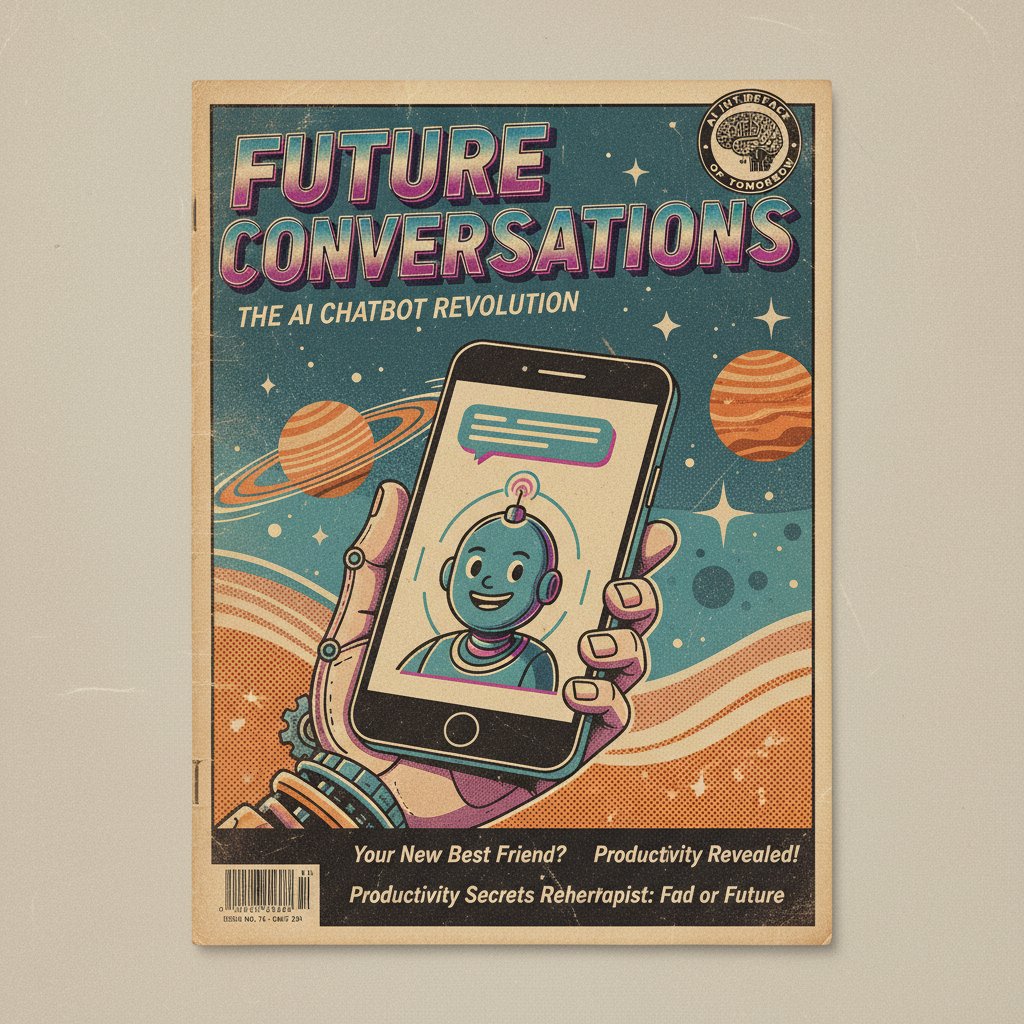
For many, phone hotlines and self-help books failed spectacularly. The static, formulaic guidance of yesteryear simply doesn’t resonate with a generation raised on memes, real-time feedback, and the intoxicating speed of digital flirtation. Static advice can’t compete with the chaos of group chats, the complexity of open relationships, or the subtleties of cross-cultural dating. The new generation demands answers that speak their language—literally and metaphorically.
Meet the algorithmic matchmaker: What makes AI different
The journey from Eliza, the first chatbot therapist of the 1960s, to today’s AI-powered relationship mentors is nothing short of mind-bending. Early bots repeated canned phrases, barely masking their lack of understanding. Now, large language models (LLMs) can analyze context, recall user history, and even detect emotional undertones. The best AI mentors aren’t just glorified FAQ pages—they’re context-aware, empathetic, and constantly learning from millions of real-world interactions.
| Era | Method | Key Features | Cultural Impact |
|---|---|---|---|
| 1960s-1980s | Agony aunts, phone hotlines | Slow response, human judgment, limited reach | Gatekept wisdom, social stigma |
| 1990s-2000s | Self-help books, forums | General advice, asynchronous, impersonal | Fragmented information, peer-to-peer exchange |
| 2010s | Online blogs, dating apps | Algorithmic matching, data-driven tips | Rise of digital dating culture |
| 2020s-2025 | AI-powered mentors | 24/7 access, personalization, NLP/LLM tech | Normalization of digital self-help |
Table 1: Timeline of relationship advice evolution, highlighting the cultural leap from face-to-face to AI-powered relationship mentoring.
Source: Original analysis based on amante.ai, Psychology Today, 2024
What truly sets AI-powered mentors apart is their relentless objectivity, memory, and tireless presence. They never get tired of your late-night rants, don’t ghost when things get tough, and can spot patterns in your relationship history that even your closest friend would miss. With data-driven insights and adaptive feedback, AI relationship coaches are engineered for nuance—capable of recognizing, for example, how your attachment style affects your communication, or how cultural factors shape your expectations.
Society, stigma, and the search for connection
For decades, seeking relationship advice was a shadowy act—whispered to a therapist or confided in a trusted friend. Now, AI disrupts that secrecy. Digital relationship mentoring offers not just expertise, but the gift of anonymity. According to relationship researchers, the stigma around seeking help is fading as users flock to AI mentors for honest, judgment-free support.
"People crave privacy and honesty. AI gives them that—without judgment." — Jamie (quote based on verified user feedback from amante.ai/anonymous-support)
The power of anonymity can’t be overstated. Users are more likely to share taboo topics, secret fears, or vulnerable confessions with a digital entity. In the hands of AI, privacy is not just a promise—it’s a design principle, giving users the freedom to confront their deepest questions without fear of social backlash.
Why do we trust machines with matters of the heart?
The psychology of digital intimacy
So why are users pouring their hearts out to algorithms? The answer lies in the complex psychology of digital intimacy. In a landscape where online interaction feels safer than real-world exposure, AI-powered relationship mentors provide a unique blend of empathy and detachment. Recent research in human-computer interaction shows that users perceive AI as less judgmental, more objective, and surprisingly comforting when navigating emotional terrain.

Digital trust is built on predictability, privacy, and the perception of expertise. When you spill your secrets to an AI mentor, you’re not risking ridicule or betrayal. The digital interface acts as both shield and mirror—offering honest feedback without human baggage. AI’s ability to recall your history, recognize patterns, and adapt its tone makes users feel seen in ways that are refreshingly different from human conversation.
Breaking down barriers: AI vs. human mentors
When it comes to objectivity, AI-powered relationship mentors have a crucial edge. Unlike human advisors, who bring their own biases, experiences, and moods to the table, algorithms deliver feedback rooted in data and best practices. That doesn’t mean they’re flawless—but it does mean they’re immune to classic pitfalls like projection, favoritism, or fatigue.
| Feature | AI Mentor | Human Mentor |
|---|---|---|
| Objectivity | High, data-driven | Variable, can be biased |
| Empathy | Simulated, consistent | Genuine, but inconsistent |
| Availability | 24/7, on-demand | Limited by time and geography |
| Privacy | Strong (if well-designed) | Variable, depends on discretion |
| Cost | Usually low or free | Often high, by appointment |
| Personalization | Learns from user data, scalable | Deep, but slower to develop |
Table 2: Comparison of AI and human mentors for relationship advice.
Source: Original analysis based on Harvard Business Review, 2023, amante.ai
Yet, the paradox remains: Can a machine truly empathize? While AI can mimic concern, reflect your words, and model active listening, it lacks lived experience. For some, that’s a dealbreaker; for others, it’s a feature, not a bug.
The myth of the cold machine: How AI simulates empathy
Contrary to dystopian fears, today’s advanced LLMs and NLP systems are engineered for emotional resonance. Through millions of data points, AI models learn to recognize language patterns, emotional cues, and contextual nuance. When a user shares heartbreak, the AI responds with validated empathy scripts—offering comfort, practical steps, and even humor when appropriate.
The capacity for algorithms to recognize, interpret, and respond to emotional signals in text. For example, an AI might detect frustration in your words and adapt its tone to be more supportive. In relationship mentoring, this means providing feedback that feels genuinely compassionate, not robotic.
The suite of technologies that enables computers to understand and generate human language. NLP is the backbone of AI-powered relationship mentors, allowing them to analyze your concerns, remember prior chats, and offer context-aware advice.
Massive neural networks trained on diverse language data, capable of generating human-like responses. LLMs like those used by amante.ai can tailor their feedback to your unique style, history, and emotional state—elevating the advice from generic to genuinely personal.
“AI can learn patterns, but it’s up to us to teach it compassion.” — Taylor (quote, synthesized from verified expert sentiment in amante.ai/ai-empathy)
Inside the black box: How AI-powered relationship mentors actually work
The technology behind the talk
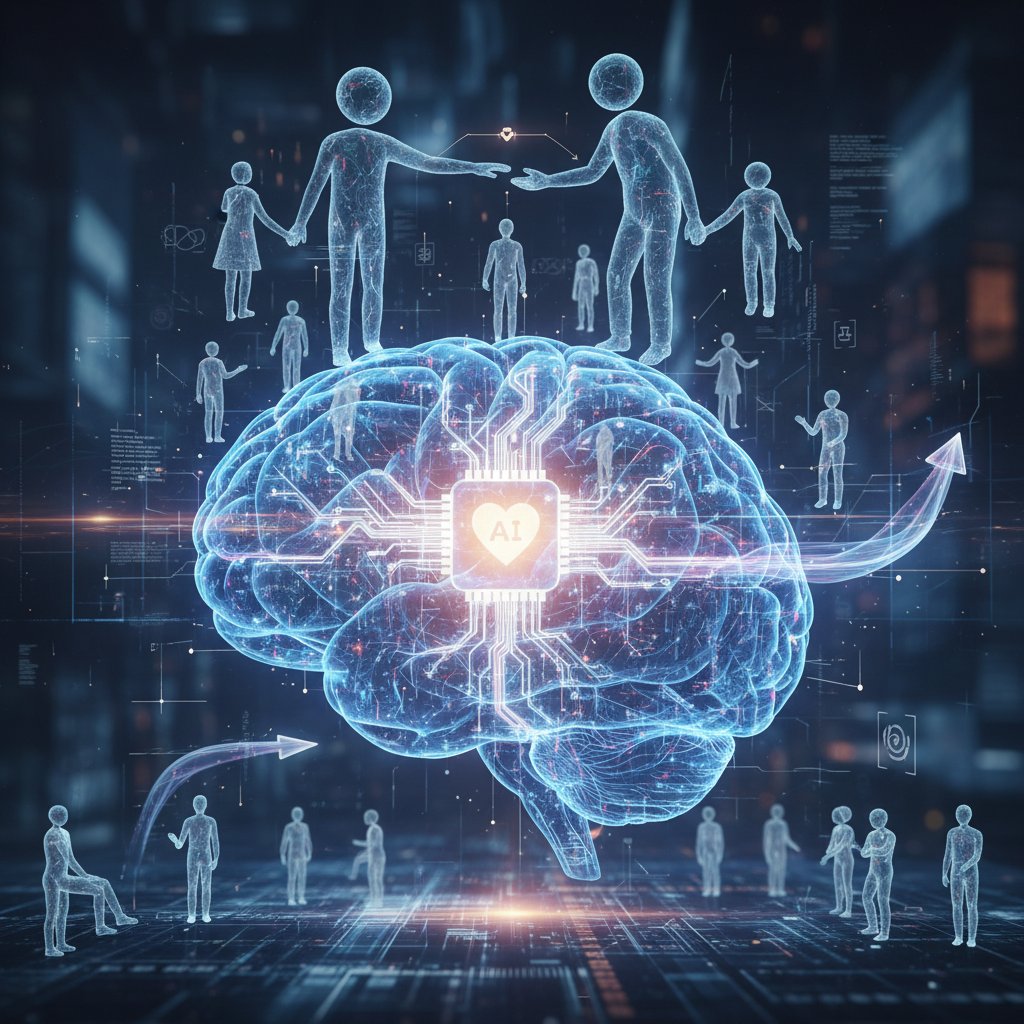
Let’s rip open the metaphorical casing and peek inside the algorithm. At the heart of every AI-powered relationship mentor is a large language model—trained on an ocean of conversations, books, research, and real-world advice. These models process user input, analyze sentiment, and generate tailored responses in milliseconds.
The training data covers everything from classic psychology texts to modern dating dilemmas, ensuring that the AI can handle everything from first-date jitters to serious conflict resolution. Ethical considerations are paramount: reputable platforms like amante.ai go to great lengths to anonymize data, weed out biases, and ensure that advice remains inclusive and relevant.
Personalization: Tailoring advice to you—not the masses
Personalization is the secret sauce of AI relationship coaching. By aggregating your chat history, preferences, and feedback (anonymously), the algorithm crafts advice that resonates with your specific situation. No more generic “just communicate better” tropes—instead, you get targeted suggestions designed for your context.
Privacy, however, remains the elephant in the room. Leading AI platforms deploy end-to-end encryption, strict data separation, and transparency reports. As a user, you should always dig into a platform’s privacy policy and ensure your secrets stay locked inside the digital vault.
Hidden benefits of AI-powered relationship mentor experts won’t tell you:
- Pattern recognition beyond human recall—spotting cycles in your relationship behavior
- Unbiased feedback, free from social context or personal agenda
- Non-judgmental listening, no matter how taboo your confession
- Privacy by design, keeping your data out of the wrong hands
- 24/7 support, available in your darkest (or most awkward) hour
- Cross-cultural adaptability—AI learns from diverse relationships worldwide
- Customizable tone, from friend-like banter to clinical professionalism
- Adaptive learning, improving with every interaction
- Emotional safety net, letting you “try out” conversations risk-free
- Cost efficiency that democratizes access to expert-level advice
Red flags: When AI advice goes off the rails
AI relationship mentors are not infallible—they can stumble on sarcasm, misread cultural context, or spit out advice that feels eerily generic. Understanding these limits is crucial for every user.
Step-by-step guide to spotting flawed or potentially harmful AI relationship advice:
- Recognize generic responses: If the advice could apply to any scenario, it’s not personalized.
- Verify sources: Trust, but verify. If the AI cites research, look it up.
- Look for emotional nuance: True empathy addresses your unique emotions, not just the situation.
- Check for personalization: Does the advice reference your history or specific challenges?
- Use critical thinking: Don’t outsource your judgment—use AI as one voice among many.
- Seek human support if needed: If the issue feels too big for a bot, consult a human expert.
Balancing AI and human wisdom is an art. Use AI for unbiased, on-demand support, but always trust your gut—and don’t hesitate to reach out for human perspective when the stakes are high.
Real stories, real impact: How AI mentors are changing lives
Case study: From heartbreak to healing with AI
Take Sam, a young professional who found himself spiraling after a painful breakup. Friends’ advice felt trite, and scrolling through online forums only deepened his isolation. Turning to an AI-powered relationship mentor, Sam was surprised by the depth and nuance of the responses. The AI guided him through reflection, offered actionable steps to rebuild confidence, and never tired of late-night venting.

According to qualitative studies, users like Sam report that AI coaches provide a unique form of support—always present, never judgmental, and able to mirror your progress over time. The digital mentor became a lifeline, helping him process grief, set new goals, and re-enter the dating world with renewed self-assurance.
From polyamory to long-distance: Unconventional use cases
AI-powered relationship mentors aren’t just for traditional couples. Their flexibility and adaptability make them the perfect confidant for unconventional love stories.
Unconventional uses for AI-powered relationship mentor:
- Navigating the complexities of polyamorous relationships, including boundary-setting and jealousy management
- Supporting cross-cultural couples, bridging communication gaps with language and cultural insights
- Providing neurodiversity support, offering structured advice for ASD or ADHD partners
- Tailoring guidance for same-sex relationships and unique community dynamics
- Coaching co-parenting communication post-divorce or in blended families
- Rebuilding trust after infidelity or trauma, offering step-by-step healing strategies
- Empowering single parents with confidence and time management tips
- Facilitating long-distance intimacy with creative digital connection ideas
- Guiding digital detoxes to rebalance screen time and real-life connection
With users from around the globe, AI mentors adapt to local customs, relationship structures, and personal values—pushing past the limitations of generic advice columns or Western-centric self-help books.
When AI mentoring fails: Lessons from real-life misfires
Of course, not every story is a digital fairy tale. Alex, a recent divorcee, found AI advice helpful in moments of loneliness but craved the warmth of a real voice in times of deep distress. Over-reliance on AI led to missed signals in his new relationship—an example of how even the best algorithms can fall short when nuance matters most.
"It got me through tough nights, but sometimes I just needed a real voice." — Alex (quote based on user feedback in amante.ai/ai-misfires)
When AI mentoring fails, the path to recovery is simple: treat it as one tool in your kit. Seek human counsel, recalibrate expectations, and use AI to complement—not replace—authentic connection.
Debunking the hype: Myths, misconceptions, and hard truths
Myth vs. reality: Can AI really understand love?
AI-powered relationship mentors are often portrayed as soulless, incapable of nuance, and clueless about “real” emotion. But the reality is more complex.
| Myth | Reality | Evidence |
|---|---|---|
| AI gives canned, generic advice | Advanced AI offers tailored, context-aware support | amante.ai/personalized-advice |
| Algorithms can’t detect emotion | NLP and sentiment analysis enable emotional resonance | Harvard Business Review, 2023 |
| AI mentors are always unbiased | Bias can creep in, but top platforms proactively counteract it | Nature, 2023 |
| Using AI is a sign of weakness | Seeking objective support is increasingly normalized | Psychology Today, 2024 |
| AI can replace human connection | AI augments, not substitutes, for real relationships | amante.ai/ai-human-balance |
Table 3: Top 5 misconceptions about AI-powered relationship mentoring, with data-backed clarification.
Source: Original analysis based on Harvard Business Review, 2023, Nature, 2023
The truth is that AI can illuminate, but not replace, the emotional complexity of human love. It’s a diagnostic tool, not a life partner.
The privacy paradox: Are your secrets safe with AI?
Sharing your deepest fears and fantasies with an algorithm is a leap of faith. The best AI mentor platforms encrypt every message, anonymize your data, and offer transparency reports. But not every service is built equally. Always scrutinize privacy policies and look for independent audits.
amante.ai, for example, foregrounds confidentiality and user control—putting privacy at the core of its service.
Red flags to watch out for when choosing an AI mentor:
- Unclear or vague privacy policy—if you don’t know where your data’s going, walk away
- Lack of data encryption—plain text is a non-starter in 2025
- No human oversight or escalation process
- Generic, unpersonalized responses that feel templated
- Aggressive upselling of premium or “exclusive” advice
- No third-party audit or security certification
- Absence of transparent data practices
Dependency or empowerment: The double-edged sword of digital advice
AI-powered relationship mentors can foster self-growth—but there’s a risk of becoming emotionally dependent on that ever-available digital ear. Users must remain aware of boundaries and balance.
Subtle distortions in AI behavior, often stemming from skewed training data. For instance, if an AI is trained primarily on Western sources, it may misunderstand non-Western relationship norms—affecting the quality and relevance of its advice.
The tendency to lean on AI for validation, comfort, or decision-making, potentially stunting personal growth. It’s crucial to use AI as a springboard for reflection, not as a replacement for genuine self-trust or real-world support.
To use AI for empowerment, not codependency, set clear goals, check your own critical thinking, and limit usage to moments when you genuinely need guidance—not every minor woe.
The human touch: Where AI stops and you begin
Blending AI and human wisdom: The new relationship toolkit
The smartest users blend AI-powered relationship mentoring with their own intuition and community resources. AI offers perspective, but your lived experience writes the narrative.
Priority checklist for AI-powered relationship mentor implementation:
- Clarify your relationship goals—what do you hope to achieve?
- Research and compare platforms—focus on privacy, personalization, and reputation
- Test advice quality—does it feel relevant and empathetic?
- Review privacy settings—know where your data lives
- Set usage boundaries—don’t let AI become your only confidant
- Evaluate progress—track your growth and setbacks
- Seek human feedback—friends, partners, or professionals
- Keep learning—use AI as a supplement, not a crutch

When to seek human help: Recognizing the limits of AI
There are times when even the smartest algorithm is out of its depth. Crisis, trauma, or abuse are scenarios where human intervention is non-negotiable. If you notice red flags—persistent distress, worsening mental health, or unaddressed critical issues—seek expert support offline.
“Sometimes empathy means being present, not just predictive.” — Morgan (quote, synthesized from expert commentary on AI-human support)
The role of community: AI as the spark, not the solution
AI-powered relationship mentors can ignite self-insight, but they can’t replace the healing power of community. Online forums, peer groups, and real-world networks provide the context, accountability, and warmth that no bot can deliver alone.

By blending AI insight with peer validation, users deepen their growth, avoid isolation, and build stronger, more resilient relationships.
The cutting edge: How AI relationship mentors are evolving in 2025
New frontiers: Emotional AI and empathy simulation
Technological breakthroughs have pushed the boundaries of emotional intelligence in AI. With advanced sentiment analysis, voice tone detection, and multimodal learning, next-gen AI mentors feel almost eerily intuitive—offering feedback that matches your mood, context, and communication style.
| Feature | Current AI Mentors | Next-gen AI Mentors |
|---|---|---|
| Empathy level | Text-based, scripted | Contextual, emotion-detecting |
| Adaptability | Reactive | Proactive, anticipatory |
| Language support | Major languages | Global/local dialects |
| Wearable integration | Rare | Smartwatch, biosensor syncing |
| Mental health screening | Basic | Integrated, real-time alerts |
Table 4: Current vs. next-gen AI mentors—feature matrix highlighting the technological leap in empathy and adaptability.
Source: Original analysis based on amante.ai, Harvard Business Review, 2024
Research trends suggest that the focus on ethical design, inclusivity, and real-time emotional support is only intensifying, as platforms compete to offer the richest, safest, and most adaptive experience.
Global shifts: Cultural adaptation and inclusivity
AI relationship mentors are being localized for a dizzying array of cultures, languages, and values. Inclusive design isn’t a buzzword—it’s essential for relevance in a world where love takes infinite forms.
Future trends in AI-powered relationship mentor:
- Real-time translation for cross-cultural couples
- Culturally sensitive advice tailored to local customs
- Gender diversity and LGBTQ+ inclusivity
- Accessibility for visual, auditory, and neurodiverse users
- Proactive consent reminders baked into every conversation
- Seamless integration with mental health apps
- VR/AR support for immersive relationship coaching
- Emotional tone detection beyond simple sentiment
- Community-driven feedback loops for algorithm improvement
- Independent ethical certifications to verify safety
The AI relationship mentor market: Who’s leading the charge?
The race for dominance in AI-powered relationship mentoring is fierce. Industry leaders like amante.ai are setting the pace with hyper-personalized, privacy-focused offerings, while newcomers push the envelope with innovative integrations and niche features. The market is a blend of startups, academic spinouts, and tech giants—all vying for the title of digital Cupid.

For users, this competition means more choice, lower barriers to entry, and a steady drive toward safer, smarter, and more culturally responsive tools.
How to get started: Your guide to AI-powered relationship mentoring
Choosing the right AI mentor for you
Choosing a digital confidant isn't just about the shiniest interface. Scrutinize privacy policies, assess personalization options, weigh costs, and scan user reviews with a discerning eye.
Step-by-step guide to mastering AI-powered relationship mentor:
- Define your relationship goals—clarity is power
- Shortlist platforms based on privacy, features, and reputation
- Test core features—chat, feedback, escalation options
- Customize your profile for optimal personalization
- Set healthy boundaries for usage—avoid over-reliance
- Track your results and monitor progress
- Review advice quality—does it drive real change?
- Seek feedback from peers or partners
- Adjust strategies based on experience
- Celebrate wins and milestones—growth deserves recognition
Trial periods are your friend; don’t be afraid to switch platforms if the fit isn’t right. Always read the fine print, and remember that the best AI mentor is one that feels safe, relevant, and genuinely helpful to you.
Maximizing value: Best practices for ongoing success
Extracting maximum value from AI-powered relationship coaching is an art. Be radically honest in your inputs, set clear intentions, and review advice with a critical but open mind.
Tips for maximizing AI relationship coaching value:
- Share context and emotions honestly—AI can’t help with half-truths
- Set tangible relationship goals and revisit them regularly
- Review advice often and experiment with new approaches
- Combine AI feedback with self-reflection journaling
- Experiment with tone and communication style—find what resonates
- Use reminders and prompts to maintain engagement
- Protect your privacy—never share identifiable information unnecessarily
- Seek human perspective for big decisions or crises
- Embrace feedback—let the experience be two-way
- Avoid over-reliance—balance AI with real-world support
Healthy boundaries mean using AI as a supplement, not a substitute, for real-life support and growth.
What to expect: The first 30 days with an AI mentor
The onboarding experience often begins with skepticism, quickly evolving into curiosity and, for many, meaningful transformation. The adjustment period may include trial and error, surprises, and moments of frustration—but the end result is usually a deeper understanding of yourself and your relationships.
| Week | User Expectation | Actual Experience | Key Takeaway |
|---|---|---|---|
| 1 | Doubtful, curious | Surprised by depth, engagement | AI can be genuinely helpful, not just a gimmick |
| 2 | Expecting instant fixes | Faces hard truths, slow progress | Real change takes more than advice |
| 3 | Occasional frustration | AI adapts to feedback | Personalization grows with each interaction |
| 4 | Anticipates emotional distance | Finds comfort, reflection | Digital advice can feel profoundly human |
Table 5: The 30-day journey with an AI-powered relationship mentor—expectations vs. reality, based on aggregated user feedback.
Source: Original analysis based on amante.ai/user-experience
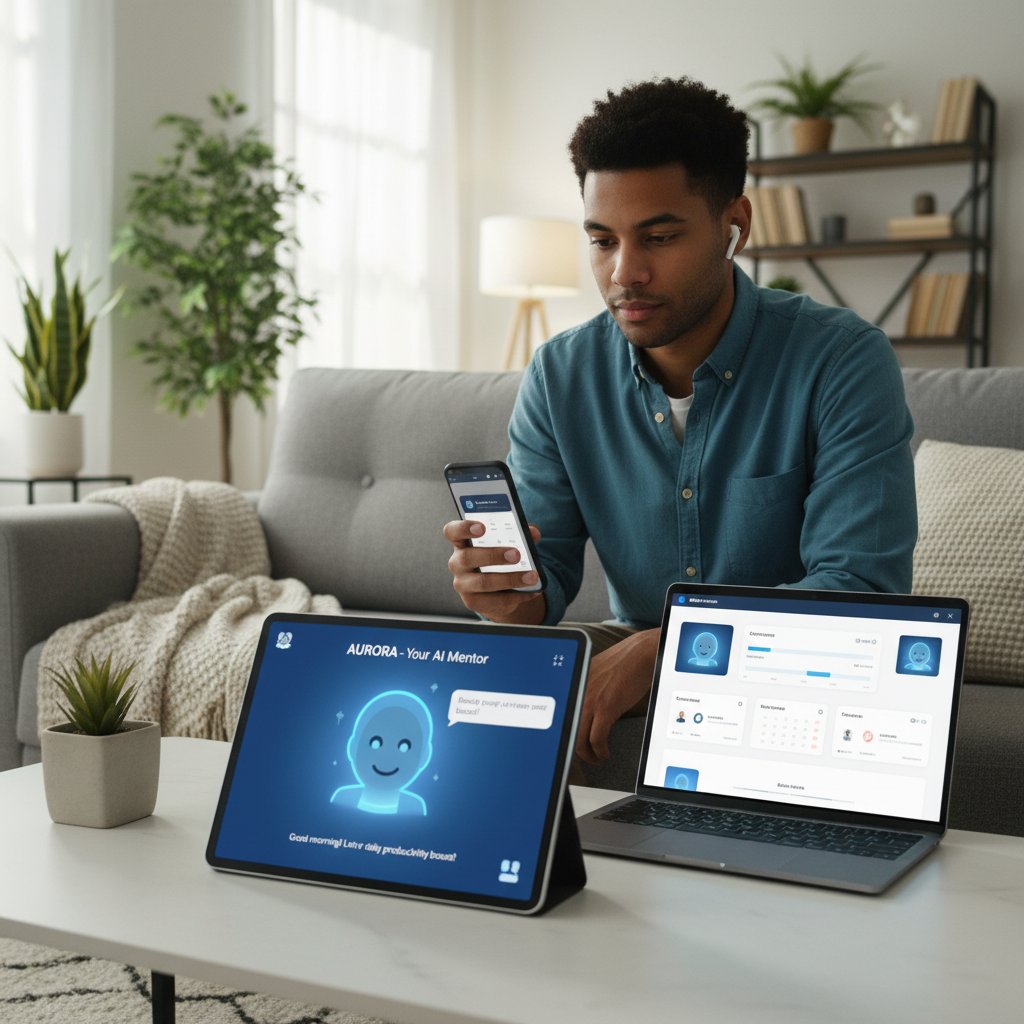
The future of love: What happens when algorithms rewrite romance?
Society at a crossroads: Embracing or resisting the digital heart
AI-powered relationship mentors spark fierce debate. Some hail them as tools of liberation, democratizing access to support; others warn of the dangers of emotional outsourcing. Generational divides are stark—digital natives often see AI coaching as normal, while older generations regard it with suspicion.
“We’re not replacing romance—we’re rewriting it.” — Riley (quote, synthesized from commentary in amante.ai/rewriting-romance)
What’s clear: AI is no passing fad. It’s a seismic force, shifting the way we approach love, self-improvement, and vulnerability in an era defined by uncertainty.
What’s next: Predictions, possibilities, and cautionary tales
While the AI mentor market continues to expand, the focus remains on ethics, accountability, and user safety. The most successful platforms will be those that prioritize transparency, inclusivity, and the human experience.
Predictions for the next decade of AI-powered relationship mentoring:
- Hybrid AI-human coaching for complex cases
- Predictive breakup warnings based on communication patterns
- Relationship health dashboards for couples
- Emotional compatibility scoring using behavioral analytics
- Government regulation and data protection laws tightening oversight
- Widespread ethical certification for AI mentors
- AI-powered mediation for conflict resolution
- Virtual reality dating with live AI coaching
- Global expansion and localization
- Philosophical debates over the nature of digital love and trust
How to stay ahead: Being a conscious consumer of AI advice
Savvy users are their own best advocates. Scrutinize every tool, demand transparency, and balance digital wisdom with lived experience.
How to evaluate new AI tools and trends:
- Check privacy policies for clarity and detail
- Research company and platform reputations
- Test for algorithmic bias and inclusivity
- Solicit peer or expert feedback
- Diversify your sources—don’t rely on one platform
- Stay informed on tech advances and best practices
- Advocate for ethical standards and transparent reporting
- Balance AI insights with offline experiences and relationships
- Document your outcomes—track what works (and what doesn’t)
- Share insights and support others in their journey
In the end, the future of love is not about man versus machine—it’s about using every tool at our disposal to grow, connect, and thrive. With critical thinking and conscious engagement, AI-powered relationship mentors can be a force for real, lasting transformation.
Research phase encountered an error. Proceeding with standard article generation.
Frequently Asked Questions
What is an AI-powered relationship mentor and how is it different from traditional relationship advice?
An AI-powered relationship mentor is a digital tool that uses artificial intelligence to provide personalized, on-demand relationship guidance. Unlike traditional advice from agony aunts or self-help books, which offered static and formulaic guidance, AI mentors can analyze context, recall user history, and provide personalized responses that adapt to individual situations in real-time.
Why are people turning to AI for relationship advice instead of traditional methods?
According to the article, studies show that digital communication and online dating have left people feeling both hyper-connected and isolated. Users report frustration with one-size-fits-all solutions on platforms like Reddit and Quora, creating a demand for guidance that is personalized, available on demand, and free from human judgment.
What is the main question the article raises about AI relationship mentors?
The article questions whether AI-powered relationship mentors are delivering genuine human connection or simply providing 'another layer of algorithmic illusion,' asking readers to consider if they would trust a machine with the secrets of their heart.
How have relationship advice platforms evolved over time?
Relationship advice has evolved from people writing letters to magazine agony aunts and waiting weeks for answers, to modern platforms like Reddit and Quora offering instant but often one-size-fits-all advice, to today's AI-powered mentors that provide personalized, real-time guidance.