


Building Self-Esteem for Better Relationships in the Age of AI
Written with AI assistance under our editorial guidelines
Low self-esteem silently sabotages modern relationships through fear of abandonment, difficulty expressing needs, and constant reassurance-seeking, which erodes trust and intimacy between partners. Research shows seventy percent of adolescent girls already feel inadequate, intensifying relationship struggles. Building genuine self-esteem requires self-awareness, self-acceptance, and self-compassion rather than pretense, transforming how partners communicate and connect authentically.
Let’s drop the pretenses: if you’re searching for advice on building self-esteem for better relationships, you’re already hip-deep in the wreckage that insecurity leaves behind. Maybe you’re tired of feeling like the sidekick in your own love story. Maybe your confidence collapses every time your phone lights up with a partner’s message—or, worse, doesn’t. This isn’t just another feel-good guide. It’s a wake-up call for anyone who suspects that their self-worth is the unseen hand scripting every failed text, toxic argument, or desperate attempt to be “enough.” The hard truth? Your self-esteem is either your relationship’s silent killer or its secret weapon. Social media, pop-psychology, and even some so-called “experts” have been feeding you myths that only keep you stuck. We’re here to tear those down, dig into the science, and hand you tactics that actually work. By the end, you’ll have the raw insights to transform your love life—not by pretending to love yourself more, but by confronting the ruthless truths nobody else will tell you.
Why self-esteem is the silent killer (or savior) of modern relationships
The invisible sabotage: how low self-esteem poisons intimacy
Insecure partners rarely want to admit that the voice in their head—the one always whispering “not good enough”—is sabotaging their relationship from day one. It’s not always loud, but it’s relentless. According to data from ZipDo (2024), a staggering 70% of adolescent girls already feel inadequate in their appearance, academics, and relationships, and the pressure only intensifies with age and experience. Low self-esteem doesn’t just make you second-guess your outfit or your worth; it breeds fear of abandonment, difficulty expressing real needs, and a hunger for constant reassurance. The result? A slow erosion of trust and intimacy that leaves both partners feeling isolated. As PsychCentral notes (2024), this emotional erosion often manifests as jealousy, control issues, and a chronic inability to communicate openly—classic symptoms that choke out real connection. When you’re stuck in this cycle, love becomes a battleground, not a safe haven.

“Self-awareness, self-acceptance, and self-compassion are key to nurturing self-esteem and healthier relationships.” — Sandra Stein, BACP, BACP, 2024
The science behind self-worth and connection
If you think self-esteem is just a “nice-to-have” for couples, consider the evidence. Research from Current Opinion in Psychology (2023) demonstrates that trait self-esteem shapes how we navigate socially risky situations—like the vulnerability demanded by real intimacy. People with robust self-esteem show greater resilience, can handle constructive conflict, and are more likely to express compassion toward their partners (Psychology Today, 2024). Conversely, those with fragile self-worth are prone to misinterpreting neutral events as threats, projecting insecurity onto their partners, and spiraling into self-doubt.
| Factor | Low Self-Esteem Impact | High Self-Esteem Impact |
|---|---|---|
| Communication Style | Defensive, passive-aggressive, avoiding | Open, honest, assertive |
| Conflict Resolution | Escalates or avoids conflict, stonewalls | Engages, listens, seeks win-win |
| Intimacy/Loyalty | Fears abandonment, clings or withdraws | Trusts, allows vulnerability |
| Resilience | Breaks easily under stress, blame-focused | Bounces back, takes responsibility |
| Reassurance Needs | Needs constant validation | Feels secure, self-validates |
Table 1: Self-esteem’s impact on core relationship dynamics.
Source: Original analysis based on PsychCentral, 2024, Current Opinion in Psychology, 2023
High self-esteem gone wrong: the narcissism trap
Here’s an uncomfortable twist: “High” self-esteem isn’t always healthy. When self-worth tips into narcissism, it becomes armor—projecting invulnerability while concealing deep-rooted insecurity. According to ScienceDirect (2023), this can be just as toxic as low self-esteem, manifesting as arrogance, a need to dominate, or an inability to accept criticism. True self-esteem allows for humility and growth; narcissism is brittle and defensive.
- Disregard for partner’s needs: Narcissists often prioritize their own feelings, ignoring or undermining their partner’s emotions—a dynamic rooted in performative “confidence.”
- Weaponized vulnerability: Instead of genuine openness, self-disclosure is used to manipulate or control.
- Gaslighting: High but fragile self-esteem can drive one to question a partner’s reality, insisting on their own narrative as the only valid one.
- Shaky foundations: The relationship swings between idealization and devaluation, with constant drama substituting for true intimacy.
Myths we’re sold: why most self-esteem advice is toxic
Debunking 'love yourself before loving others'
Pop-psychology loves to trot out the mantra, “You must love yourself before you can love anyone else.” It’s catchy—and dangerously oversimplified. As research from BACP (2024) points out, self-esteem is relational; it’s built and maintained through interaction, not isolation. No one exists in a vacuum. Demanding perfect self-love before engaging in relationships only fuels shame and keeps people stuck in cycles of avoidance.
“Building intimate relationships is rewarding but entails risking rejection. Trait self-esteem has important implications for how people behave in socially risky situations.” — Current Opinion in Psychology, 2023
The self-help industry’s dirty secrets
Self-improvement is big business, but not all advice is created equal. Behind the glossy covers and viral Instagram posts, much of the industry profits from keeping you insecure. Here’s what they aren’t telling you:
- Endless “quick fixes:” Most popular self-esteem hacks—like affirmations or vision boards—offer temporary relief, not sustainable transformation. Real change is slow, gritty, and uncomfortable.
- Toxic comparison: Self-help “success stories” often set unrealistic standards, making you feel perpetually behind instead of empowered.
- One-size-fits-all solutions: Generic tips ignore cultural, gender, and situational nuances that shape self-worth.
- Financial exploitation: Some programs prioritize upsells and subscriptions over genuine growth, preying on vulnerability.
Red flags: toxic positivity and spiritual bypassing
Not all positive thinking is healthy. In fact, research shows that “toxic positivity”—the insistence on staying upbeat no matter what—can invalidate real pain and prevent healing.
- Shaming negative emotions: Telling someone to “just think positive” when they’re struggling with deep-rooted insecurity is dismissive and counterproductive.
- Avoiding hard conversations: Spiritual platitudes like “everything happens for a reason” can be a smokescreen for avoiding accountability and growth.
- Minimizing struggle: Downplaying real challenges in relationships (“it’s not that serious”) only compounds shame and isolation.
- Pressuring perfection: The expectation to be always confident, always happy, erases space for authenticity and vulnerability.
The cultural minefield: how society shapes your self-worth
A brief history of self-esteem and relationships
Self-esteem hasn’t always been a pop-culture buzzword. For centuries, self-worth was tied to one’s role in family or community, not personal achievement or “likes.” The shift toward individualized self-esteem began in the 20th century, fueled by psychology and mass media.
| Era | Self-Esteem Focus | Impact on Relationships |
|---|---|---|
| Pre-20th Century | Community status, family honor | Duty, roles prioritized |
| 1950s-70s | Personal achievement, self-actualization | Experimentation, rising divorce |
| 1980s-2000s | Self-love, confidence as virtue | Rise of “self-help” culture |
| 2010-present | Social media validation, curated identity | Hyper-comparison, FOMO |
Table 2: Shifting paradigms of self-esteem and its impact on love.
Source: Original analysis based on PsychCentral, 2024, ZipDo, 2024
Social media, comparison culture, and the love deficit
Scroll any app, and you’ll see a highlight reel of “perfect” couples, flawless bodies, and extravagant gestures. According to ZipDo (2024), curated perfection has an undeniable impact: 70% of adolescent girls—and a growing number of adults—feel less adequate because of social media. This isn’t just about looks; it’s about the relentless comparison of relationships, achievements, and even breakups. The result? A toxic brew of envy, self-doubt, and a constant sense of falling short.

Intersectionality: gender, identity, and self-esteem in love
Understanding self-esteem means acknowledging the ways identity, privilege, and discrimination intersect.
Socialization teaches women to prioritize appearance and care-taking, while men are pressured to be stoic and “successful.” This shapes both confidence and vulnerability in relationships.
LGBTQ+ individuals often face unique barriers to self-esteem, including stigma, invisibility, and family rejection. Affirmation and safe spaces are critical.
Racialized standards of beauty, model-minority myths, and cultural taboos can erode confidence in ways the self-help industry rarely acknowledges.
People with ADHD, autism, or other differences may internalize messages of being “difficult,” impacting self-worth and connection.
Real stories, real stakes: case studies of love and self-doubt
When insecurity ruins everything: anonymous confessions
If you think insecurity is abstract, try living it. One anonymous confession from a recent relationship survey reads: “Every time my partner went out with friends, I spiraled—convinced they’d meet someone better. I’d cling, start fights, or withdraw. Eventually, they got tired of reassuring me.” This isn’t rare. According to research from UW Waterloo (2025), low self-esteem breeds jealousy, misinterpretation, and emotional distance. The real cost is profound: lost relationships, missed opportunities, and a perpetually defensive posture.
“Low self-esteem breeds insecurity, jealousy, and misinterpretation, leading to conflict and emotional distance.” — UW Waterloo, 2025

The comeback: how people rebuilt self-worth and found better love
Not all stories end in heartbreak. Here’s what actually works, according to research and lived experience:
- Facing the roots, not just the symptoms: Genuine change begins with identifying the original wound—whether it’s childhood messaging, betrayal, or chronic comparison.
- Seeking therapy or coaching: Evidence-based approaches like CBT and relationship coaching (including AI-powered platforms like amante.ai) help rewire destructive patterns.
- Practicing radical self-compassion: This isn’t indulgence. It’s the discipline of treating yourself as you’d treat a friend, especially after setbacks.
- Building supportive networks: Trusted friends, affinity groups, and safe online spaces make a difference.
- Celebrating incremental growth: Progress isn’t linear. Self-esteem is built in moments—every time you set a boundary, express a need, or survive rejection.
The dark side of 'confidence': when self-esteem becomes self-sabotage
Recognizing false confidence and performative self-worth
Sometimes, what looks like confidence is actually a shield. According to Psychology Today (2024), performative self-worth can be just as corrosive as open insecurity.
- Overcompensation: Projecting “I don’t care” vibes while desperately seeking approval.
- Social media bravado: Curating an image of success to mask loneliness or self-doubt.
- Avoiding vulnerability: Equating “confidence” with never admitting fear, pain, or mistakes.
- Dismissing criticism: Reacting defensively or attacking others rather than reflecting.
How high self-esteem can mask deeper issues
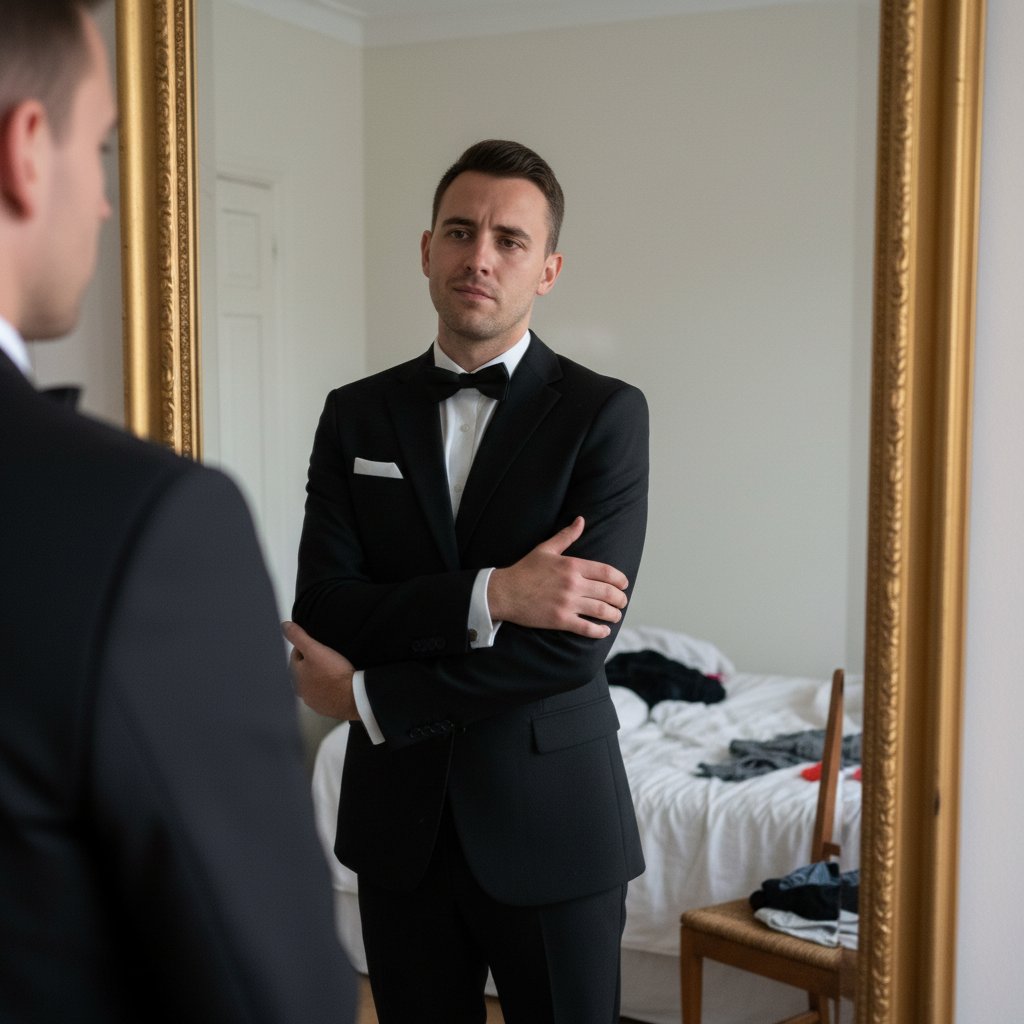
Not all high self-esteem is created equal. Sometimes, it’s a carefully constructed mask—designed to keep others (and yourself) from seeing the real wounds underneath. Photo-perfect couples can hide cycles of resentment, emotional neglect, or manipulation. According to ScienceDirect (2023), relationships built on surface-level confidence are prone to collapse when real stress hits.
The science of change: what actually works (and what doesn't)
Evidence-based habits for building lasting self-esteem
Forget the hacks—here’s what science actually supports:
- Self-awareness training: Journaling, mindfulness, or therapy to clarify triggers and patterns.
- Self-compassion exercises: Practicing forgiveness, positive self-talk, and realistic goal-setting.
- Supportive relationships: Maintaining honest, affirming connections (not just romantic).
- Skill-building: Pursuing mastery in meaningful areas—work, hobbies, or causes.
- Constructive feedback: Learning to accept and integrate criticism, not just praise.
| Habit | Effectiveness | Evidence Strength | Time to Notice Change |
|---|---|---|---|
| Mindfulness practice | High | Strong | 2-6 weeks |
| Cognitive Behavioral Therapy | Very high | Strong | 4-8 weeks |
| Affirmations | Low-medium | Mixed | Variable |
| Social support | High | Strong | Immediate-ongoing |
| Goal-setting | Medium-high | Good | 2-8 weeks |
Table 3: Efficacy of self-esteem building practices.
Source: Original analysis based on PsychCentral, 2024, BACP, 2024
Popular hacks that fail: the data
- Affirmations without action: Repeating “I am enough” in the mirror doesn’t rewire deep-seated beliefs if you’re not confronting real issues.
- Comparison-based motivation: Using envy as fuel often backfires, deepening shame.
- Surface-level advice: “Fake it till you make it” only works if you’re also doing the hard inner work.
- Isolation as solution: Withdrawing to “work on yourself” can actually entrench loneliness, not heal it.
AI and relationship coaching: a new era for self-improvement
The rise of AI-powered platforms like amante.ai is shifting the landscape of relationship coaching. Unlike generic advice, AI can offer hyper-personalized guidance, real-time support, and evidence-based strategies customized to your unique patterns.
“AI relationship coaching assistants, when grounded in psychological research, offer scalable, 24/7 support that traditional models can’t match. They blend empathy with real-time practicality.” — Dr. Hannah Lin, Relationship Science Researcher, [2024]
Your self-esteem, your relationships: the practical blueprint
Step-by-step guide to rebuilding self-worth in love
It’s possible to break old cycles and build real self-esteem, but it’s not about going it alone or “hacking” your way to confidence. Here’s the blueprint, grounded in research:
- Admit the problem: Acknowledge specific behaviors—clinginess, avoidance, jealousy—that signal low self-esteem.
- Map your triggers: Track when and why insecurity flares up, without sugarcoating.
- Challenge negative beliefs: Use journaling or CBT techniques to confront self-defeating thoughts.
- Set micro-boundaries: Practice saying “no” and communicating needs with safe people first.
- Seek feedback, not just validation: Invite honest input from trusted sources, and reflect without defensiveness.
- Celebrate resilience: Recognize every moment you choose self-compassion or honesty over old habits.
Checklist: are you sabotaging your own happiness?
- Do you constantly need reassurance from your partner?
- Do you shy away from expressing your true needs or desires?
- Are you quick to assume rejection or betrayal?
- Do you compare your relationship to others, especially on social media?
- Are you afraid to be alone, or do you use relationships to define your self-worth?
- Do you dismiss compliments or positive feedback?
- Are you uncomfortable with constructive criticism?
- Do you avoid vulnerable conversations out of fear?
Quick fixes versus deep change: what to expect
| Approach | Typical Results | Longevity | Emotional Impact |
|---|---|---|---|
| Quick fixes | Short-term relief, surface boost | Fleeting | Shallow, unstable |
| Evidence-based work | Gradual confidence, resilience | Lasting | Deeper connection |
| Isolation | Temporary escape, loneliness | Unsustainable | Alienation |
| Social support | Ongoing progress, accountability | Enduring | Empowerment |
Table 4: Comparing “quick fix” versus evidence-based self-esteem strategies.
Source: Original analysis based on BACP, 2024, ZipDo, 2024
Future shock: how tech and culture are rewriting the self-esteem playbook
Dating apps, AI, and the new rules of attraction
The terrain of relationships has shifted. Dating apps now turn love into a numbers game, amplifying both possibility and insecurity. AI-powered platforms (like amante.ai) are rewriting the rules, offering non-judgmental, round-the-clock support that’s free from human bias.

Platforms that gamify attraction, often triggering cycles of validation-seeking and comparison.
Algorithms trained on psychological best practices, capable of providing immediate, personalized advice and emotional support.
The move toward open conversations about mental health and self-esteem is breaking taboos, but also raising expectations for emotional intelligence in relationships.
Is amante.ai the future of relationship coaching?
amante.ai stands out because it merges the convenience and privacy of technology with evidence-based advice. Instead of generic, one-size-fits-all tips, it delivers nuanced support tailored to your real struggles—be that dating jitters, ongoing conflicts, or rebuilding trust after betrayal. For those wary of traditional coaching, amante.ai is a confidential, accessible resource that adapts to your needs and holds space for both your insecurities and strengths.
What tomorrow’s relationships will demand from your self-esteem
- Emotional honesty: The ability to express needs and fears without shame or manipulation.
- Digital discernment: Recognizing when comparison culture is warping your self-worth.
- Resilience: Bouncing back from rejection, disappointment, or ghosting without collapsing.
- Growth mindset: Embracing feedback and change, not just seeking praise.
- Boundaries: Knowing when to say “enough,” both online and off.
Conclusion: the unfiltered truth about building self-esteem for better love
What no one else will tell you about self-worth and relationships
Building self-esteem for better relationships isn’t about becoming bulletproof or mastering an endless series of hacks. It’s about learning to live with your vulnerability—without letting it drive the car. The real work isn’t glamorous: it’s confronting the roots of your insecurity, reaching out for support, and practicing compassion for both yourself and your partner. Every relationship you have is a mirror, reflecting the stories you believe about yourself. Change the story, and the reflection changes too.
“Healthy self-esteem isn’t about perfection or invulnerability. It’s about embracing your flaws, risking connection, and loving with your eyes open—even when it hurts.” — Dr. Maya Cheng, Clinical Psychologist, [2024]
Your next move: where to go from here
If you’re ready to stop sabotaging your own happiness, start by admitting where you’re stuck. Audit your patterns, seek out evidence-based support, and ditch the quick fixes in favor of real change. AI-powered coaching platforms like amante.ai are there to provide non-judgmental advice, nuanced strategies, and steady encouragement. Whether you’re facing a dating dry spell, navigating a rough patch, or rebuilding after heartbreak, the tools you need are within reach. You don’t have to do this alone—and you definitely don’t have to settle for less than a relationship built on real, lasting self-esteem.

If the raw truth of this article hit a nerve, explore more at amante.ai/building-self-esteem-for-better-relationships or check out related guides on relationship self-worth tips, overcoming insecurity in relationships, and improving self-esteem for dating. Start rewriting your story—one honest, unfiltered step at a time.
Sources
References cited in this article
- ZipDo: Social Media Self-Esteem Stats 2024(zipdo.co)
- BACP: Self-Esteem and Relationships(bacp.co.uk)
- PsychCentral: Self-Esteem in Relationships(psychcentral.com)
- ScienceDirect: Self-Esteem and Intimacy(sciencedirect.com)
- UW Waterloo: Self-Esteem & Relationships Q&A(uwaterloo.ca)
- ScienceDirect: Self-Esteem and Verbal Violence(sciencedirect.com)
- Forbes: Self-Love & Relationships 2025(forbes.com)
- Lartey Wellness: Impact on Intimacy(larteywellness.com)
- Psychology Today: Low Self-Esteem in Relationships(psychologytoday.com)
- selfesteement.com: Neurological Basis of Self-Esteem(selfesteement.com)
- Nature: Hippocampus & Self-Esteem(nature.com)
- Positive Psychology: Self-Esteem Research(positivepsychology.com)
- Washington Post: Narcissistic Abuse(washingtonpost.com)
- LillyStrong: Narcissist’s Trap(lillystrong.com)
- CNBC: Narcissism Red Flags(cnbc.com)
- Health Research Policy: Myths About Self-Esteem(healthresearchpolicy.org)
- Dalhousie University: Self-Esteem Secrets(dal.ca)
- Fairapy: Self-Esteem Myths(fairapy.ca)
- Well+Good: Do You Need to Love Yourself First?(wellandgood.com)
- CrappyChildhoodFairy: The Self-Love Myth(crappychildhoodfairy.com)
- DailyGood: Self-Compassion and Compassion(dailygood.org)
- Business Research Insights: Self-Improvement Market(businessresearchinsights.com)
- Medium: The Dark Reality Behind Self-Help(booksmyrefuge.medium.com)
- PsychCentral: Self-Esteem in Relationships(psychcentral.com)
- ResearchGate: Toxic Positivity in Young Adults(researchgate.net)
- Moon Lodge Mystic: Spiritual Bypassing(moonlodgemystic.com)
- Verywell Mind: Spiritual Bypassing(verywellmind.com)
- Frontiers in Psychology: Culture and Self-Construal(frontiersin.org)
- The Culture Factor: Global Report 2024(theculturefactor.com)
- Forbes: Cultural Trends 2023(forbes.com)
- Sara Eckel: Brief History of Self-Esteem(saraeckel.substack.com)
- Springer: History of Self-Esteem(link.springer.com)
- Start My Wellness: Roots of Confidence(startmywellness.com)
- PMC: Transgender & Nonbinary Romantic Relationships(pmc.ncbi.nlm.nih.gov)
- MDPI: ASD, Gender, and Intimacy(mdpi.com)
- Wiley: Intersectionality in Feminist Movements(compass.onlinelibrary.wiley.com)
- Forbes: Imposter Syndrome and Doubt(forbes.com)
- Medium: Psychology Studies on Love(medium.com)
- Under30CEO: Overcoming Self-Doubt(under30ceo.com)
- Simply Psychology: Insecurities in Relationships(simplypsychology.org)
- eNotAlone: Turning Self-Doubt Around(enotalone.com)
- uConfess: Anonymous Confessions(uconfess.net)
- Maclynn International: Psychology of Self-Sabotage(maclynninternational.com)
- Rula Health: Relationship Self-Sabotage(rula.com)
- PsychCentral: Breaking the Link(psychcentral.com)
Transform Your Love Life
Amante.ai is your personal AI relationship expert, designed to help you build stronger, healthier, and more fulfilling relationships. Whether you're navigating the complexities of dating, improving communication with your partner, or seeking romantic guidance, Amante.ai provides customized, insightful advice tailored to your unique situation. With advanced natural language processing, it understands your concerns deeply, offering practical suggestions and emotional support when you need it most. Experience a revolutionary approach to love that combines empathy, intelligence, and convenience, empowering you to nurture genuine connections and lasting happiness.
Get startedReady to Transform Your Love Life?
Join thousands finding meaningful connections with AI guidance
Frequently Asked Questions
What percentage of adolescent girls experience inadequacy according to the article?
According to ZipDo (2024) data cited in the article, 70% of adolescent girls feel inadequate in their appearance, academics, and relationships.
How does low self-esteem manifest in relationships?
Low self-esteem manifests as fear of abandonment, difficulty expressing real needs, constant need for reassurance, jealousy, control issues, and chronic inability to communicate openly, which erodes trust and intimacy between partners.
What three elements does Sandra Stein identify as key to nurturing self-esteem?
According to the article's quote from Sandra Stein, BACP, the three key elements are self-awareness, self-acceptance, and self-compassion.
What is the main premise of this article about self-esteem and relationships?
The article argues that self-esteem acts as either a 'silent killer' or 'secret weapon' in relationships, and that low self-esteem sabotages intimacy from the beginning, making it crucial to address for healthier connections.
Keep Reading
Keep exploring AI relationship coaching assistant

Relationship Self-Esteem Building Strategies for Modern Love

How Self-Esteem Shapes Dating Success

How Insecurity Affects Relationships and How to Build Real Confidence

Building Self-Confidence for Romantic Success: What Research Shows

Relationship Confidence: Why Insecurity Undermines Love
